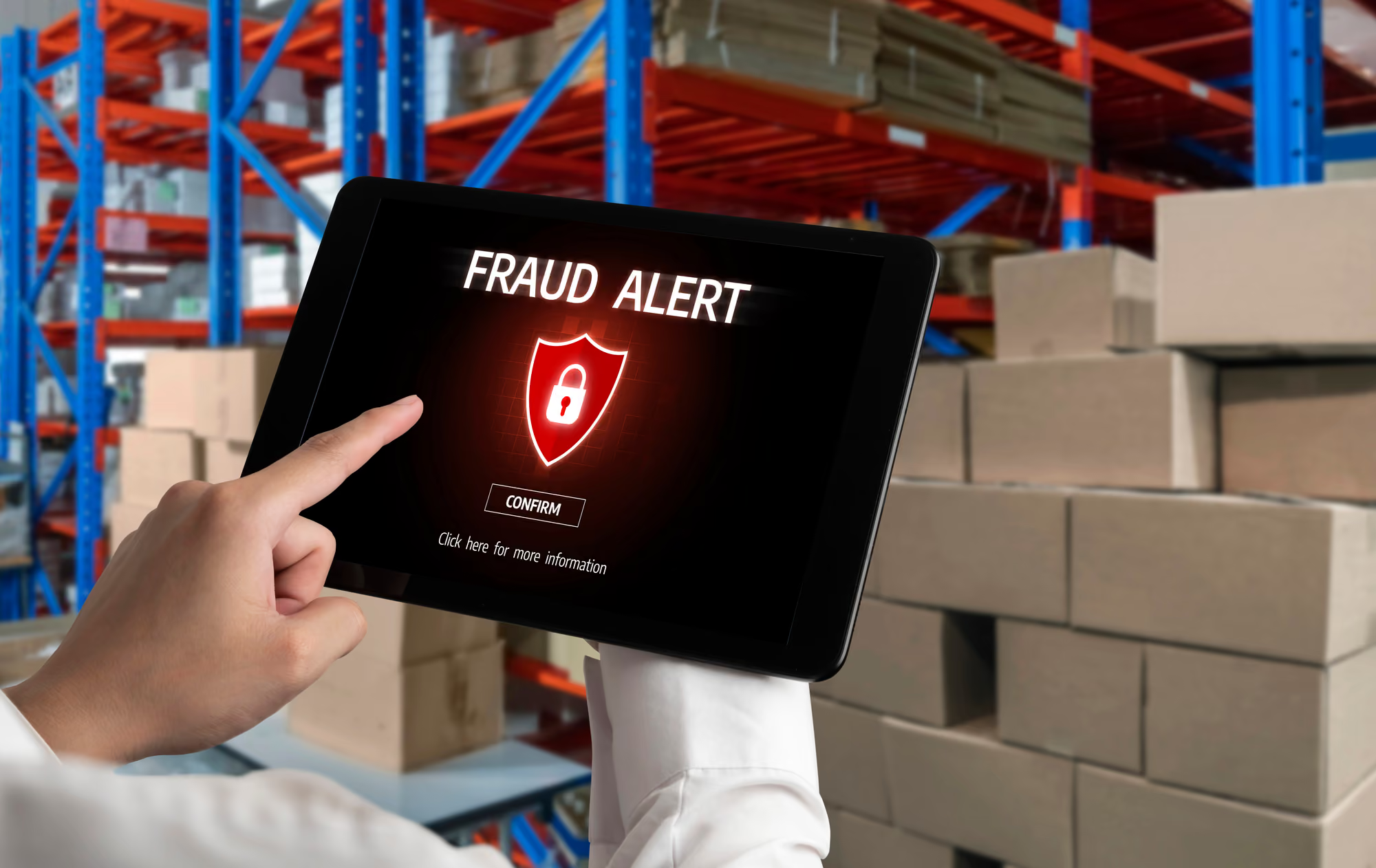
Freight fraud is no longer just a rare occurrence in the transportation industry. In 2026, it has become one of the fastest-growing threats facing shippers, carriers, brokers, and supply chain professionals.
Criminals are using sophisticated technology, fake identities, and artificial intelligence (AI) to impersonate legitimate transportation providers, steal cargo, and disrupt supply chains.
The good news? Companies that understand these risks and implement proactive safeguards can significantly reduce their exposure.
If you're a shipper, understanding how AI-driven freight fraud works is the first step toward protecting your cargo, customers, and bottom line.
AI freight fraud occurs when bad actors use artificial intelligence, automation tools, and digital impersonation tactics to deceive shippers, brokers, or carriers.
Common examples include:
These scams often look convincing because criminals can quickly create professional-looking websites, documents, and communications using AI-powered tools.
The transportation industry relies heavily on digital communication and online load matching platforms. While technology has improved efficiency, it has also created new opportunities for criminals.
Several factors are driving the rise in freight fraud:
Increased Use of Digital Freight Platforms: Online freight marketplaces make it easier to connect shippers and carriers, but they also provide opportunities for fraudsters to create fake accounts and impersonate legitimate companies.
More Sophisticated AI Tools: AI can generate convincing emails, business documents, websites, and customer communications within minutes. These tools make fraudulent operations appear professional and trustworthy.
High-Value Cargo Targets: Electronics, pharmaceuticals, food products, consumer goods, and other high-demand commodities continue to attract organized cargo theft operations.
Supply Chain Complexity: Many shipments involve multiple parties, making it easier for fraudulent actors to exploit communication gaps and verification failures.
Understanding the most common scams can help businesses identify red flags before cargo is compromised.
Carrier Identity Theft: Fraudsters pose as legitimate trucking companies by copying company names, DOT numbers, logos, or insurance information. The shipper believes they are working with a trusted carrier when, in reality, the load has been assigned to a criminal operation.
Double Brokering: A carrier accepts a load and improperly re-brokers it without authorization. This creates visibility issues, payment complications, and increased risk.
Cargo Theft Through Load Interception: Fraudsters gain access to shipment details and arrange to pick up freight before the authorized carrier arrives. Once the cargo is collected, it can disappear into illegal distribution networks.
Fake Documentation: Criminals use AI-generated documents, certificates, and insurance paperwork to create the appearance of legitimacy.
The most effective defense against freight fraud is a combination of technology, verification, and trusted partnerships.
Verify Carrier Credentials Thoroughly: Never rely solely on documents submitted by the carrier! Before assigning a shipment, confirm:
Work With Trusted Transportation Networks: Established transportation networks provide an additional layer of security through carrier qualification standards, relationship-based partnerships, and ongoing monitoring.
When shippers work with trusted transportation partners, they reduce the risk of unknowingly engaging fraudulent carriers.
Confirm contact Information: Fraudsters often use email addresses or phone numbers that closely resemble legitimate companies.
Always verify:
If something seems unusual, investigate further before releasing shipment information.
Dispatchers, transportation managers, customer service teams, and logistics personnel should understand common fraud tactics.
Regular training helps employees recognize warning signs before shipments are compromised.
Real-time tracking and shipment visibility solutions can help identify irregularities during transit and provide faster response times if problems occur.
A strong transportation partner provides far more than just available trucks. They offer comprehensive carrier vetting processes to help ensure freight is handled by qualified transportation providers, while leveraging established carrier relationships to support reliable service and consistent capacity.
In addition, experienced transportation partners provide freight visibility, proactive communication, and risk mitigation strategies that help reduce disruptions throughout the supply chain.
Combined with industry expertise and access to a broad transportation network, these capabilities help businesses improve efficiency, enhance reliability, and maintain greater confidence in their transportation operations.
If you suspect fraudulent activity, act quickly by stopping communication immediately and independently verifying all carrier information.
Notify the appropriate internal stakeholders, alert your transportation provider or network partner, and contact law enforcement if cargo theft is suspected. Be sure to document all communications and transactions, as taking prompt action can improve the chances of recovering cargo and minimizing losses.
High-value and high-demand products such as electronics, pharmaceuticals, consumer goods, food products, and retail merchandise are frequently targeted.
Yes. Fraudsters target businesses of all sizes. Smaller companies may be especially vulnerable if they lack formal carrier vetting procedures.
A trusted transportation network can help reduce risk by providing access to qualified carriers, established processes, and additional layers of verification.
Industry experts expect freight fraud to remain a significant challenge as criminals continue adopting new technologies and tactics.
AI-driven freight fraud is becoming more sophisticated, making vigilance essential for today's shippers. Carrier impersonation, cargo theft, fraudulent documentation, and digital scams can create serious disruptions throughout the supply chain.
Companies that prioritize carrier verification, employee training, shipment visibility, and trusted transportation partnerships are better positioned to protect their freight and maintain supply chain continuity.
At US 1 Network, we understand the importance of secure, dependable transportation solutions. Our nationwide network of transportation professionals helps connect shippers with qualified capacity while supporting the visibility, communication, and accountability businesses need in today's rapidly evolving logistics landscape.
Looking for a trusted transportation partner? Contact US 1 Network today to learn how our nationwide network can support your shipping needs.


At US 1 Network, we're always looking for talented, motivated logistics agents to join our nationwide team. If you're a skilled, experienced agent with a self-starting mentality, apply today and find out how US 1 Network can advance your career. This is one of the fastest-growing industries in the country. What are you waiting for?
Learn More & applyIf you're looking for a career with solid benefits, excellent growth potential, and the freedom to work how and when you want, look no further. US 1 Network is looking for experienced owner operators to join our team of shipping experts. The logistics industry is growing rapidly, so apply today and join a winning team!
Learn More & apply


