Some freight is difficult before the truck ever leaves the yard.
The shipment may be oversized. The delivery window might leave almost no room for error. A specialized trailer could be required in a market where capacity is already tight. Or the freight itself may come with handling requirements that eliminate most of the available carrier pool.
For shippers, understanding what makes a load difficult to move can help identify potential problems earlier and give the transportation team more time to find the right solution.
A standard palletized shipment offers considerably more transportation options than a 70,000-pound piece of industrial equipment.
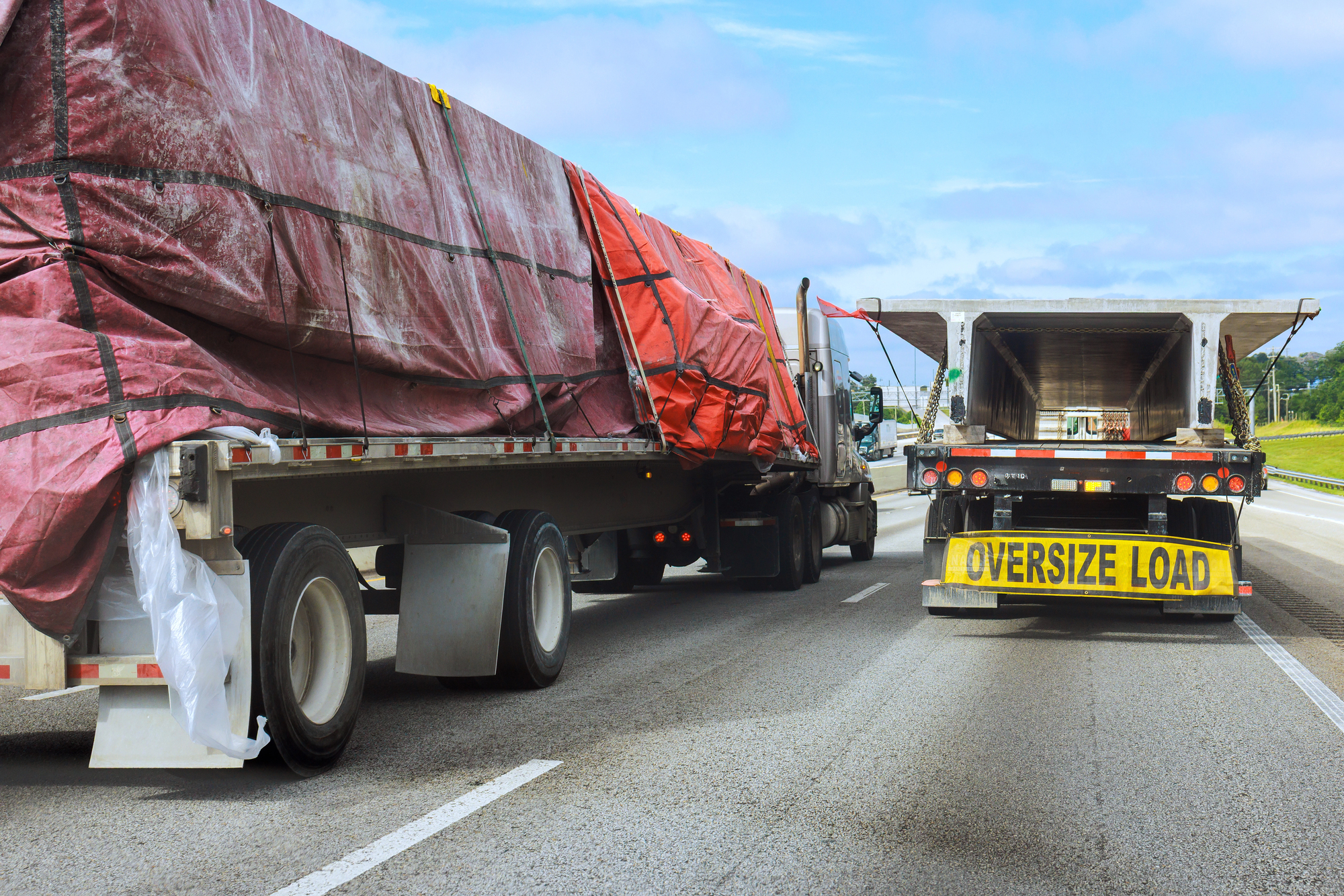
Once freight exceeds standard dimensions or weight limits, the shipment may require specialized equipment, permits, route planning, escorts, or other arrangements. Heavy haul transportation can involve equipment such as flatbeds, step decks, RGNs, and multi-axle trailers depending on the load.
Even an unusually shaped shipment that isn't technically oversized can limit equipment options.
The more specialized the freight becomes, the smaller the pool of carriers equipped to move it.
Sometimes the freight isn't unusually large, but it still can't travel on just any trailer.
Temperature-sensitive products may require refrigerated equipment. Machinery could need a flatbed or removable gooseneck trailer for loading. Other shipments may have securement or handling requirements that demand specific equipment and experience.
A shipper isn't simply looking for an available truck. They're looking for the right truck, in the right location, at the right time.
If specialized equipment is already limited in a particular market, finding capacity on short notice can become even more challenging.
A difficult load isn't always difficult because of the freight itself. Timing can turn an otherwise routine shipment into a challenge.
A receiver may only accept deliveries during a narrow window. A construction site could need equipment to arrive at a specific stage of the project. A shipment connecting with a vessel or rail move may have a cutoff that can't be missed.
Now factor in traffic, weather, loading delays, Hours of Service limits, and unexpected disruptions.
The tighter the schedule, the fewer options the transportation team has when something changes.
Where freight is going matters almost as much as what you're moving.
A pickup in a major transportation hub may have plenty of available capacity. A shipment originating in a remote area can be a very different story.
Job sites, ports, farms, manufacturing facilities, and other specialized locations may also create access challenges. There could be limited loading space, security requirements, restricted operating hours, or equipment needed to load and unload the shipment.
Before booking transportation, shippers should provide as much information about both locations as possible. A carrier discovering an access problem after arrival can quickly turn into delays and additional costs.
The equipment is booked. The pickup is scheduled. Then the freight dimensions change. Small changes can have large consequences when a load is already complicated.
An increase in weight could affect equipment requirements. A new delivery date may eliminate the carrier originally scheduled. Changes to dimensions could alter permits or routing for an oversized shipment.
This is why accurate information upfront is so important.
Shippers should communicate the correct dimensions, weight, commodity, pickup and delivery requirements, and special handling needs as early as possible. If something changes, the transportation provider needs to know quickly.
Complex loads often require coordination across several moving pieces.
US 1 Network connects shippers with transportation capabilities that include intermodal drayage, flatbed, heavy haul, regional van and LTL, refrigerated transportation, distribution, and warehousing.
That broader network becomes valuable when a shipment doesn't fit neatly into a standard transportation plan. Instead of treating every load the same way, the goal is to identify what makes the freight challenging and build the transportation strategy around it.
As early as possible. Additional lead time can be especially valuable when a shipment requires specialized equipment, permits, route planning, or capacity in a difficult market.
Provide accurate dimensions, weight, commodity information, origin and destination details, pickup and delivery windows, and any special equipment or handling requirements. Photos can also be helpful for unusual freight.
Yes. An experienced freight broker can help identify appropriate equipment, source qualified capacity, coordinate requirements, and manage communication throughout the shipment.
A difficult load isn't necessarily a problem load. It simply requires more planning.
Whether the challenge is size, specialized equipment, timing, location, or a combination of factors, US 1 Network can connect shippers with the transportation resources needed to keep complex freight moving.


At US 1 Network, we're always looking for talented, motivated logistics agents to join our nationwide team. If you're a skilled, experienced agent with a self-starting mentality, apply today and find out how US 1 Network can advance your career. This is one of the fastest-growing industries in the country. What are you waiting for?
Learn More & applyIf you're looking for a career with solid benefits, excellent growth potential, and the freedom to work how and when you want, look no further. US 1 Network is looking for experienced owner operators to join our team of shipping experts. The logistics industry is growing rapidly, so apply today and join a winning team!
Learn More & apply


