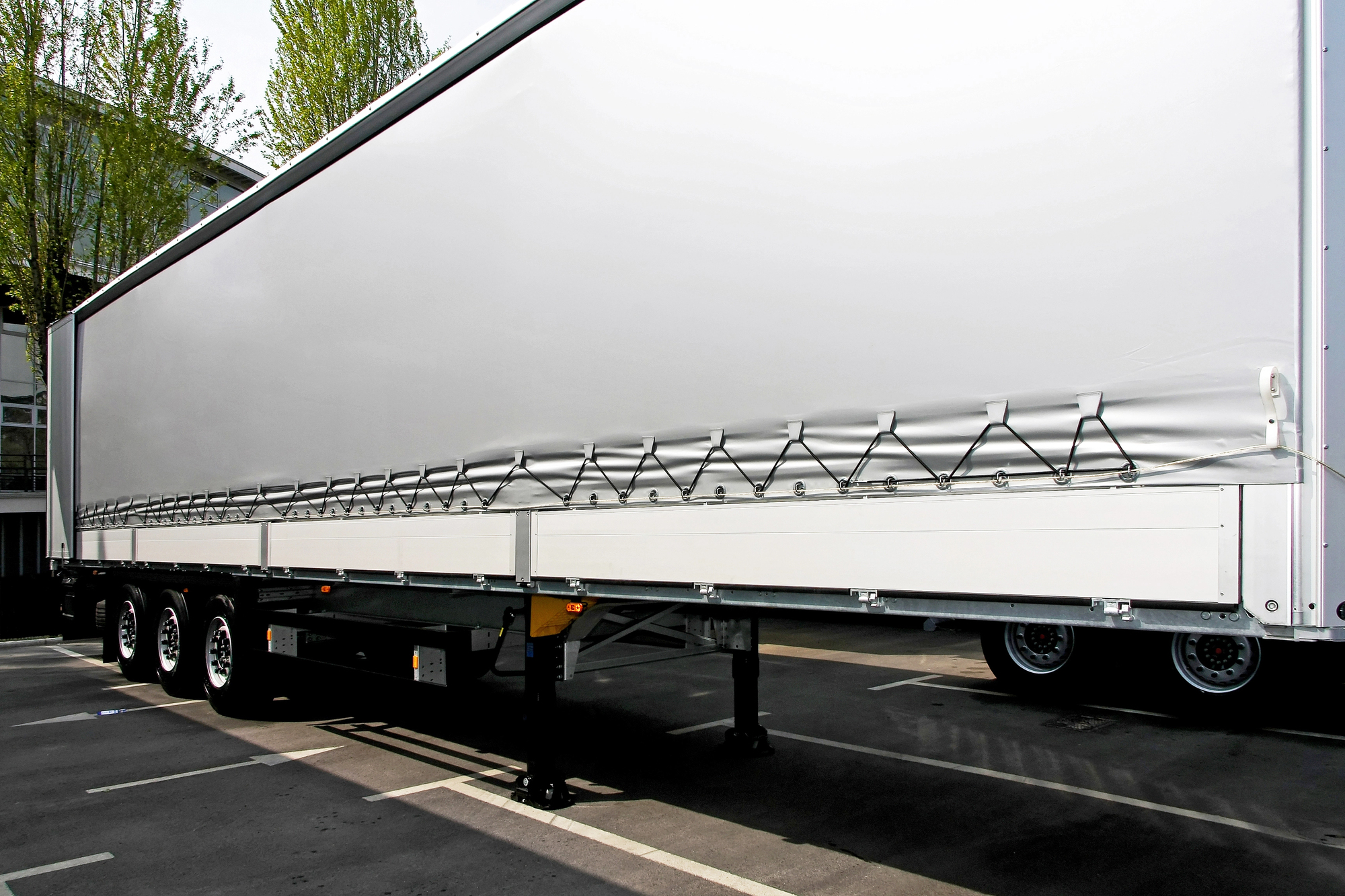
A trailer pool sounds simple on paper: keep a group of trailers available at a shipper’s facility so freight can be loaded and unloaded without waiting on a driver.
In practice, keeping that pool organized takes real coordination.
Trailers have to be spotted in the right place, empty equipment needs to be available when production is ready, loaded trailers need to move out on schedule, and the yard cannot become a parking lot with no clear system behind it.
That is where trailer pool management comes in.
Trailer pool management is the process of organizing and maintaining a group of trailers positioned at or near a shipper’s facility.
Instead of requiring every driver to arrive, wait for a dock, get loaded, and leave in one continuous appointment, trailers can be dropped in advance and loaded when the facility is ready.
The carrier or transportation provider then swaps equipment in and out as needed.
This model is closely related to a drop trailer program, where trailers remain at the facility so loading and pickup can happen on a more flexible schedule.
The difference is that trailer pool management focuses on the larger operational picture: how many trailers are needed, where they are staged, how quickly they turn, and whether the pool is actually helping freight move more smoothly.
A trailer pool usually includes a set number of trailers reserved for a particular shipper or facility.
The general process may look like this:
That separation between the driver’s arrival and the actual loading process can reduce the amount of time drivers spend sitting at the dock.
It also gives warehouses more flexibility to load freight around production schedules instead of trying to coordinate every load around an exact driver appointment.
Drop-and-hook refers to the individual move. A driver drops one trailer and hooks to another.
Trailer pool management is the system that makes repeated drop-and-hook activity possible at scale.
If a facility is handling dozens or hundreds of trailer movements, someone still has to manage equipment availability, staging, dock assignments, yard congestion, and trailer turns.
Without that coordination, a trailer pool can actually create new problems.
The goal is not simply to have more trailers sitting on-site. It is to make sure the right trailers are available in the right place at the right time.
Trailer pools are especially useful for facilities with frequent or predictable shipping volume.
A manufacturer running multiple production shifts, for example, may finish a load at 2 a.m. Instead of waiting for a truck to arrive before loading can begin, employees can load a staged trailer and prepare it for pickup.
Retail distribution centers and high-volume warehouses can benefit for similar reasons.
Trailer pools may help reduce:
For shippers with consistent freight volume, trailer pools can also complement a dedicated transportation strategy, where capacity is planned around recurring lanes and operational needs instead of secured shipment by shipment.
Once multiple trailers are sitting on-site, moving them efficiently becomes its own job.
This is where yard hostler services become important.
Hostlers move trailers between staging areas and dock doors, reposition equipment, and help keep the yard organized so warehouse teams are not waiting for the next trailer to arrive at the dock.
US 1 Network’s yard hostler services are designed to support trailer spotting, shuttling, and positioning while helping reduce congestion and dwell time at warehouses, distribution centers, and manufacturing facilities.
A well-managed trailer pool and an organized yard operation naturally work together.
Detention often happens when drivers arrive at a facility and spend too much time waiting to load or unload.
With a drop-and-hook model, the driver may be able to leave a trailer and pick up another one that is already loaded instead of remaining at the facility through the entire loading process.
That can help carriers use their driving hours more productively while giving the shipper more flexibility at the dock.
For facilities dealing with recurring congestion, pairing trailer pools with coordinated regional van and LTL services can also help create more predictable transportation flows across short- and medium-distance lanes.
Trailer pools can become particularly valuable when freight is moving through a busy distribution network.
A facility may be receiving inbound freight, staging outbound orders, consolidating shipments, and sending loads to several destinations at once.
In that environment, trailer availability becomes part of inventory flow.
US 1 Network’s distribution and consolidation services are designed to help businesses coordinate inbound and outbound freight across multiple locations, making trailer positioning one piece of a larger transportation strategy.
This is also why trailer pool management should not be treated as a standalone parking exercise.
It affects warehouse flow, carrier scheduling, dock utilization, and ultimately how quickly freight gets out the door.
Trailer pools tend to work best for operations with steady freight volume and enough space to stage equipment.
Common examples include:
Businesses with highly unpredictable freight or very limited yard space may need a different approach.
The right strategy depends on shipment frequency, equipment needs, loading patterns, and how quickly trailers turn.
Trailer pool management often requires coordination across the shipper, carrier, warehouse, and yard.
That gives experienced freight agents an opportunity to help customers build more practical transportation programs instead of only covering one load at a time.
Agents who understand the broader operation can help identify capacity needs, coordinate recurring freight, and connect customers with services that support the yard and transportation network.
We discuss this further in how strong logistics partnerships improve supply chains, particularly when transportation providers understand the customer’s larger operational goals instead of focusing only on individual shipments.
Putting trailers in a yard is easy. Keeping them moving is the harder part.
A successful trailer pool requires the right number of trailers, clear staging processes, dependable pickup schedules, yard coordination, and enough transportation capacity to prevent loaded equipment from sitting too long.
When those pieces work together, trailer pools can give shippers more flexibility while reducing the amount of time drivers and warehouse teams spend waiting on one another.
Through services such as yard hostling, freight brokerage, and distribution support, US 1 Network can help businesses coordinate trailer movement as part of a larger freight strategy.
Experienced transportation professionals interested in building these types of customer solutions can also learn more about the US 1 Network Agent Program.
A trailer pool keeps trailers available at a facility so freight can be loaded or unloaded without requiring a driver to remain on-site throughout the process.
Drop-and-hook describes the individual trailer exchange. Trailer pool management coordinates the larger group of trailers, including availability, staging, positioning, and turnover.
Yes. When loaded trailers are ready before drivers arrive, drivers may be able to exchange equipment and leave more quickly instead of waiting for loading or unloading to finish.

At US 1 Network, we're always looking for talented, motivated logistics agents to join our nationwide team. If you're a skilled, experienced agent with a self-starting mentality, apply today and find out how US 1 Network can advance your career. This is one of the fastest-growing industries in the country. What are you waiting for?
Learn More & applyIf you're looking for a career with solid benefits, excellent growth potential, and the freedom to work how and when you want, look no further. US 1 Network is looking for experienced owner operators to join our team of shipping experts. The logistics industry is growing rapidly, so apply today and join a winning team!
Learn More & apply


